Fueled by Coffee Jesus: A Designer's Review
As a professional who has spent years navigating the intersection of digital art and physical thread, I approach every new machine embroidery design with a specific set of questions. Will it stitch cleanly? Does it translate well from screen to fabric? And most importantly, will it look good on a finished product that a customer will hold in their hands? Today, I am putting Fueled by Coffee Jesus through that exact lens. This is not just another graphic; it is a statement piece rooted in retro aesthetics and coffee culture, packaged as a versatile digital embroidery file.
The First Impression: Retro Charm Meets Modern Craft
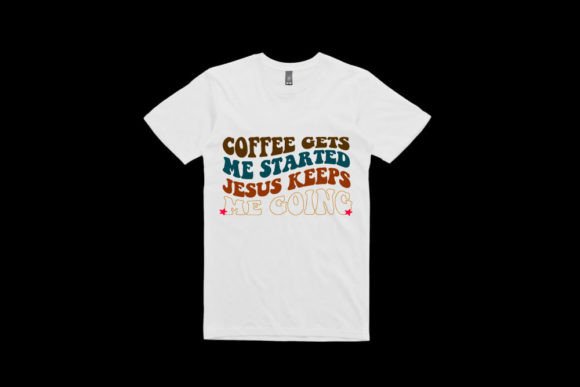
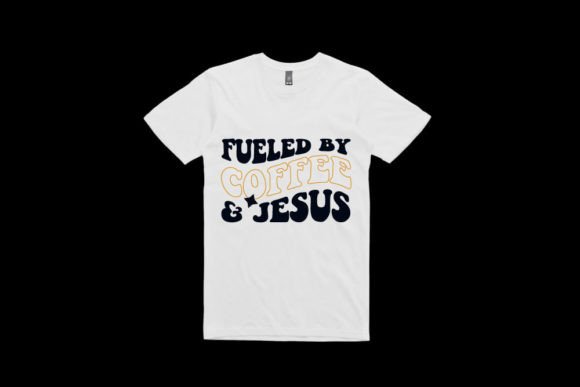
When I first opened the files for Fueled by Coffee Jesus, the visual personality was immediately striking. The design leans heavily into a vintage, distressed aesthetic that feels right at home in the current wave of nostalgic branding. It is a bold Graphic that captures the energy of a caffeine-fueled morning with a touch of irreverent humor. For those of us creating custom apparel, this kind of mood-setting is crucial. It isn't just an image; it is a vibe.
The layout is balanced, offering a central focal point that works well for center-chest applications or larger back placements. However, the true test lies in how the lines and shapes convert into stitches. In my experience, designs with heavy textural elements like this one require careful attention to stitch density. If the density is too high, the fabric can pucker, ruining the soft drape of a sweatshirt. If it is too low, the design may lack the opacity needed to pop against darker backgrounds. The Fueled by Coffee Jesus design appears to have a solid structure, but always verify the stitch count before committing to a client project.
A Real-World Scenario: The Boutique Tote Bag Project
To truly understand the potential of this design, let's walk through a practical application. Imagine you are an Etsy seller preparing for the upcoming holiday season. You decide to create a line of limited-edition canvas tote bags featuring Fueled by Coffee Jesus. You select a sturdy, natural-colored canvas that complements the retro tones of the artwork.
Before stitching the final batch, I would strongly advise running a test on a scrap piece of the same canvas. This step is non-negotiable for any serious craft business. You need to see how the fill stitch interacts with the weave of the fabric. On a tote bag, the design needs to be durable enough to withstand being carried over shoulders and stuffed with groceries. The running stitch outlines must be tight enough to prevent fraying but loose enough to allow the fabric to breathe. When executed correctly, the result is a high-value handmade product that stands out in a crowded marketplace. Customers looking for unique, conversation-starting gifts are drawn to exactly this kind of character-driven design.
Navigating Fabric Challenges and Technical Nuances
While Fueled by Coffee Jesus is robust, it is not without its challenges depending on the substrate. If you plan to use this on sweatshirt embroidery, you must consider the texture of the fleece. Heavy textures can sometimes obscure fine details in a design. In such cases, simplifying the embroidery file slightly or using a thicker thread might help maintain clarity. Conversely, if you are working with thin cotton or stretchy jersey for T-Shirt Designs, the choice of stabilizer becomes critical. Without proper backing, the tension from the needle can distort the fabric, making the "Jesus" text or the coffee cup icon look warped.
Another area requiring caution is curved surfaces. If you intend to adapt this design for a cap or a patch, the curvature can cause shifting during stitching. The design should ideally be tested on a curved surface to ensure the registration remains perfect. Additionally, when working with dark fabrics, the contrast of your thread colors will define the success of the project. A bright white or cream outline against a black background will make the retro elements of Fueled by Coffee Jesus sing, whereas muted tones might get lost in the shadows.
Commercial Viability and Brand Consistency
For small shop owners and creative entrepreneurs, consistency is key to building trust. Using a cohesive set of design assets helps establish a recognizable brand identity. Fueled by Coffee Jesus fits perfectly into a brand that values humor, faith, and artisanal quality. Whether you are selling personalized gifts at a craft fair or listing items online, the visual appeal of this design adds significant value to your inventory.
However, remember that the perceived quality of your work is directly tied to the execution. A poorly stitched design can damage your reputation, while a flawless one builds loyalty. Always review the commercial embroidery license included with your purchase. While the product description mentions the files can be used for clothes printing and various items, you must confirm the terms regarding selling finished goods versus reselling the digital files themselves. As a professional, I never sell a finished product until I have verified that the licensing aligns with my business model.
Practical Notes for the Embroidery Designer
- Test First: Always run a test on scrap fabric to check for puckering and alignment issues before starting your main project.
- Stabilize Properly: Use the appropriate stabilizer for your fabric type to ensure the design lays flat and looks professional.
- Check Contrast: Plan your thread colors carefully to ensure the text and graphics remain legible against the background fabric.
- Hoop Size Matters: Verify that your hoop size accommodates the full width and height of the design without cutting off essential details.
- Digital Previews: Create printable mockups in both light and dark scenarios to visualize how the design will appear on different products.
- Licensing Check: Confirm you have the rights to sell items made with this embroidery file for commercial purposes.
Final Thoughts on Utility and Appeal
In conclusion, Fueled by Coffee Jesus is a compelling addition to any designer's library. It offers a blend of retro style and modern relevance that resonates with today's consumers. Whether you are creating a baby embroidery item for a quirky nursery, a holiday embroidery gift for a coffee-loving friend, or a staple for your boutique's small shop product line, this design has the versatility to perform well. Its strength lies in its ability to transform a simple garment into a statement piece.
By paying attention to the technical details—hoop size, stitch density, and fabric choice—you can ensure that the final result is nothing short of exceptional. For those looking to elevate their embroidery project portfolio, this is a design worth exploring. Just remember, the best tools are only as good as the hands that wield them. Take your time, test thoroughly, and let the thread do the talking.